
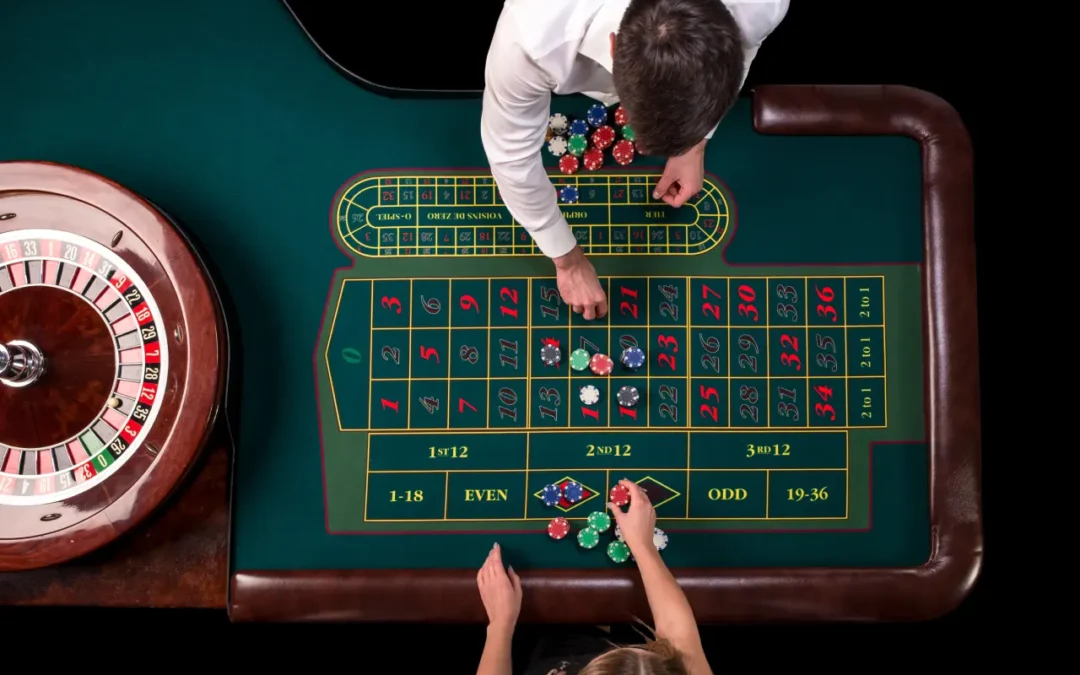
Casino table games are a core part of any casino experience, whether playing in person or online. These games involve players sitting at a table with a dealer or other players, using cards, dice, or wheels to determine outcomes. Popular casino table games include blackjack, roulette, baccarat, craps, and various poker variations, each offering different rules, betting options, and odds.
Understanding how these games work helps players make better decisions at the table. Each game has its own set of rules and strategies that can improve a player’s chances of winning. Some games rely mostly on luck, while others involve skill and strategic thinking.
This guide covers the main types of casino table games, how to play them, and practical tips for better results. Players will learn what makes each game different and how to approach them with confidence.
Overview of Casino Table Games
Casino table games represent a category of gambling activities where players sit or stand around a specially designed table operated by a dealer or croupier. These games combine elements of chance and strategy, typically involving cards, dice, or a spinning wheel, and have maintained their popularity in both physical and online casinos for generations.
What Defines a Table Game
A table game requires a physical or virtual table with specific markings and layouts that guide gameplay. These games involve a dealer who manages the action, distributes cards or operates equipment, and handles player bets.
The defining characteristic is the presence of a designated playing surface with clearly marked betting areas and game zones. Players place chips on these marked areas to indicate their wagers. Most table games accommodate multiple players simultaneously, creating a social atmosphere distinct from slot machines or electronic gaming.
Key elements include:
- A dealer or croupier who controls game flow
- Specific betting limits posted at each table
- Standardized rules and payout structures
- Physical components like cards, dice, or wheels
History and Evolution
Table games originated in European gambling houses during the 17th and 18th centuries. Roulette emerged in France, while games like blackjack evolved from earlier card games played in Spanish and French casinos.
These games spread to America during the 19th century, where they adapted to local preferences. Craps developed from an English dice game, becoming popular in New Orleans before spreading nationwide. Poker variants multiplied across American saloons and riverboats.
Modern casinos have preserved traditional table games while introducing new variations. The core games remain largely unchanged in their basic rules, though betting options have expanded. Digital technology now allows online versions that replicate the table game experience through live dealers and streaming video.

Popular Casino Venues
Las Vegas casinos feature the largest concentration of table games worldwide. The Strip houses major resorts like Bellagio, Caesars Palace, and MGM Grand, each offering dozens of tables with varying bet limits.
Monte Carlo Casino in Monaco represents the historic European tradition of elegant table gaming. Macau has emerged as a dominant market, with venues like The Venetian Macao and City of Dreams attracting high-stakes players. Atlantic City provides East Coast access to major table game options, while regional casinos across North America offer more localized gaming experiences.
Differences from Other Casino Games
Table games require direct interaction with a dealer, unlike slot machines that operate independently. This human element introduces a social component and allows players to ask questions or receive guidance during play.
Strategy plays a larger role in table games compared to pure chance games. Blackjack players can reduce the house edge through proper decision-making, while roulette and slots offer no strategic advantage. The pace differs significantly as well—table games typically proceed slower than electronic alternatives, giving players time to consider their options.
Minimum bets at tables usually exceed those at slot machines, requiring larger bankrolls. However, some table games offer better odds for players willing to learn basic strategy.
Popular Types of Casino Table Games
Casino table games offer players different ways to test their luck and skills, from card-based games requiring strategy to dice games based purely on chance. Each game has unique rules, betting options, and house edges that appeal to different types of players.
Blackjack
Blackjack remains one of the most played table games in casinos worldwide. The goal is simple: beat the dealer by getting a hand value closer to 21 without going over.
Players receive two cards and can choose to hit (take another card), stand (keep their current hand), double down (double their bet and take one more card), or split (separate matching cards into two hands). The dealer must follow strict rules, typically hitting on 16 or below and standing on 17 or higher.
The house edge in blackjack ranges from 0.5% to 2%, depending on the rules and player strategy. Using basic strategy charts can significantly improve winning chances. Most tables use multiple decks, and some offer side bets like insurance or perfect pairs.
Roulette
Roulette features a spinning wheel with numbered pockets and a small ball that determines the winning number. Players place bets on where they think the ball will land.
The two main versions are American and European roulette. American wheels have 38 pockets (numbers 1-36, plus 0 and 00), while European wheels have 37 pockets (numbers 1-36, plus a single 0). The extra zero on American wheels increases the house edge to 5.26%, compared to 2.7% on European wheels.
Betting options include inside bets (specific numbers or small groups) and outside bets (larger groups like red/black or odd/even). Inside bets offer higher payouts but lower odds of winning. A straight bet on a single number pays 35 to 1.
Baccarat
Baccarat is a comparing card game between two hands: the player and the banker. Players bet on which hand will have a total closest to nine.
Cards are valued differently than in blackjack. Aces count as one, cards 2-9 keep their face value, and tens and face cards count as zero. If a hand totals more than nine, only the second digit counts (a hand of 7 and 8 totals 15, which becomes 5).
The banker bet has a house edge of 1.06%, while the player bet has 1.24%. A tie bet offers an 8 to 1 payout but carries a much higher house edge of around 14%. Most casinos charge a 5% commission on winning banker bets.
Craps
Craps is a dice game where players bet on the outcome of rolling two dice. The game moves quickly and involves multiple betting options.
The basic bet is the pass line bet. On the come-out roll, rolling a 7 or 11 wins, while a 2, 3, or 12 loses. Any other number becomes the point, and the shooter must roll that number again before rolling a 7 to win.
Pass line and don’t pass bets have house edges around 1.4%, making them the best bets at the table. Players can also make odds bets after a point is established, which have no house edge. Other bets like field bets, hardways, and proposition bets offer higher payouts but come with much higher house edges.
Gameplay and Rules
Understanding proper conduct, betting approaches, and dealer responsibilities creates a foundation for confident play at casino tables. These elements work together to maintain game flow and establish clear expectations for all players.
Basic Table Game Etiquette
Players should wait for a natural break between hands before joining a table. Most dealers appreciate when newcomers ask about minimum bets and table rules before sitting down.
Cash must be placed on the table rather than handed directly to the dealer. This practice allows security cameras to record all transactions clearly. Players should avoid touching their chips once bets are placed, as this prevents any confusion about bet amounts.
Key etiquette rules include:
- Keep drinks away from the playing surface
- Silence mobile phones during play
- Avoid touching cards in games where dealers handle them
- Tip dealers by placing chips in the designated area
- Wait for current players to finish before asking questions
Players should stack their chips neatly in front of them. This helps dealers and other players see bet amounts quickly. Speaking clearly when making decisions keeps the game moving smoothly for everyone at the table.
Betting Systems
Betting systems attempt to manage wagering amounts based on previous outcomes. The Martingale system doubles bets after losses to recover previous amounts. The Paroli system increases bets after wins instead of losses.
Flat betting maintains the same wager amount regardless of wins or losses. This approach limits both potential losses and gains. The D’Alembert system increases bets by one unit after losses and decreases by one unit after wins.
Common betting systems:
| System | Method | Risk Level |
|---|---|---|
| Martingale | Double after loss | High |
| Paroli | Double after win | Medium |
| Flat | Same bet always | Low |
| D’Alembert | Add/subtract one unit | Medium |
No betting system changes the house edge. These approaches only structure how players allocate their bankroll across multiple hands or spins.

Role of the Dealer
Dealers manage game flow by distributing cards, spinning wheels, or rolling dice according to established rules. They convert cash into chips and pay out winning bets while collecting losing wagers.
The dealer ensures all players follow proper procedures and betting limits. They announce game actions clearly so players understand what happens at each step. Dealers also watch for player mistakes and may offer gentle corrections to newcomers.
Dealers cannot provide strategy advice or predict outcomes. They maintain neutrality throughout each game session. Their primary function is executing game mechanics accurately while creating a welcoming atmosphere at the table.
Strategies and Tips for Success
Success at casino table games depends on understanding the mathematical realities of each game and managing resources wisely. Players who grasp odds, control their spending, and avoid common errors give themselves the best chance at the tables.
Understanding Odds and House Edge
The house edge represents the casino’s mathematical advantage over players, expressed as a percentage. In blackjack, the house edge can be as low as 0.5% with proper strategy, while games like American roulette carry a 5.26% house edge. Players should choose games with lower house edges to maximize their chances.
Each bet at the table comes with specific odds of winning. A single number bet in roulette pays 35:1 but has only a 2.63% chance of winning. Pass line bets in craps offer nearly even odds with a house edge of just 1.41%.
Understanding probability helps players make smarter decisions. In blackjack, knowing when to hit, stand, or double down based on the dealer’s upcard changes the house edge significantly. Games like baccarat favor the banker bet with a 1.06% house edge versus 1.24% for the player bet.
Effective Money Management
Setting a budget before playing prevents significant losses. Players should decide on a fixed amount they can afford to lose and never exceed that limit during a session.
Key bankroll management rules:
- Divide the total budget into smaller betting units
- Bet no more than 1-5% of the total bankroll per hand
- Set win goals and walk away when reached
- Never chase losses by increasing bet sizes
Table minimums matter for bankroll longevity. A player with $200 should avoid $25 minimum tables, which only allow eight bets before going broke. A $5 table provides 40 betting opportunities and better staying power.
Time limits work as well as money limits. Setting a specific playing duration helps maintain discipline and prevents emotional decision-making during extended sessions.
Mistakes to Avoid
Playing without knowing the rules costs players money. Each game has specific strategies that reduce the house edge, and ignoring them gives the casino a bigger advantage.
Drinking alcohol while playing impairs judgment and leads to poor betting decisions. Casinos offer free drinks because they know intoxicated players make mistakes and bet more recklessly.
Insurance bets in blackjack carry a high house edge of about 7% and should be avoided. Side bets in most table games offer flashy payouts but come with significantly worse odds than the main game.
Increasing bets after losses, known as the Martingale system, seems logical but leads to rapid bankroll depletion. Table maximums prevent the system from working, and a bad streak wipes out players quickly.