

Casinos have long been associated with bright lights, constant air conditioning, and 24/7 operations that consume massive amounts of energy and resources. These entertainment destinations create a significant environmental footprint through their high energy consumption, water usage, waste generation, and the carbon emissions from millions of visitors traveling to gaming locations each year. The casino industry is now actively transforming its operations through sustainable practices, green building designs, and innovative technologies to reduce its environmental impact while maintaining the gaming experience.
The shift toward sustainability in gaming involves multiple approaches that address the industry’s biggest environmental challenges. Casino operators are implementing energy-efficient systems, adopting water conservation methods, and redesigning waste management practices to minimize their ecological footprint. Many establishments now pursue green certifications and integrate smart technologies that optimize resource consumption without compromising guest satisfaction.
This transformation reflects growing awareness that environmental responsibility and profitable gaming operations can coexist. The industry faces unique sustainability challenges due to its around-the-clock nature and entertainment requirements, but innovative solutions are emerging across construction practices, daily operations, and community engagement initiatives that demonstrate meaningful progress toward greener gaming.
Overview of Environmental Challenges in Casinos
Casinos create major environmental problems through high energy use, large amounts of water waste, and resource-heavy daily operations. These facilities consume power at rates much higher than typical buildings due to their 24-hour schedules and luxury features.
Energy Consumption in Gaming Venues
Casino energy use far exceeds normal commercial buildings. Most casinos operate 24 hours a day, seven days a week without breaks.
Gaming floors require constant bright lighting to create excitement. Slot machines and electronic games run continuously, drawing power even when not in use.
Major Energy Drains:
- Air conditioning systems working around the clock
- Thousands of gaming machines operating simultaneously
- Extensive lighting throughout gaming areas
- Large-scale entertainment venues and theaters
- Multiple restaurants and food service areas
Large casino resorts can use as much electricity as small cities. The Bellagio in Las Vegas uses approximately 300 million kilowatt-hours per year.
Heating and cooling represent the biggest energy costs. Casinos maintain comfortable temperatures year-round regardless of outside weather conditions.
Water Usage and Wastewater Management
Casinos use massive amounts of water daily. Resort-style casinos have some of the highest water consumption rates in the hospitality industry.
Primary Water Uses:
- Hotel guest rooms and bathrooms
- Multiple swimming pools and spas
- Decorative fountains and water features
- Restaurant and kitchen operations
- Landscape irrigation for grounds
Las Vegas casinos use an average of 400-500 gallons per hotel room per day. This rate is much higher than standard hotels.
Water features like fountains create ongoing waste. The Bellagio fountains use recycled water but still lose significant amounts to evaporation.
Wastewater treatment becomes complex with kitchen grease, pool chemicals, and high volumes from guest facilities.
Resource Intensive Operations
Casino operations require constant supply deliveries and create large waste streams. Food service alone generates tons of waste daily.
Resource Challenges:
- Single-use items like cups, plates, and utensils
- Paper products for gaming and administration
- Construction materials for frequent renovations
- Linens and towels requiring regular replacement
- Electronic waste from gaming machine updates
Food waste represents a major problem. Buffets often prepare excess amounts that get thrown away each day.
Gaming machines become obsolete quickly, creating electronic waste. Old machines contain metals and components that need proper disposal.
Casinos generate approximately 2-4 pounds of waste per visitor per day. Large facilities can produce over 100 tons of waste weekly.
Sustainable Casino Design and Construction
Modern casinos are integrating eco-friendly materials, energy-efficient systems, and green building standards to reduce their environmental impact. These sustainable practices help casinos lower operating costs while meeting growing environmental expectations.
Green Building Certifications and Standards
Casino developers increasingly pursue LEED certification to validate their sustainable building practices. LEED (Leadership in Energy and Environmental Design) provides a framework for energy-efficient, water-saving, and environmentally responsible casino construction.
The certification process evaluates several key areas. These include energy performance, water efficiency, materials selection, and indoor air quality. Casinos earn points in each category to achieve different certification levels.
BREEAM certification offers another recognized standard for sustainable casino development. This system focuses on environmental, social, and economic sustainability throughout a building’s lifecycle.
Green Star certification provides similar benefits in certain markets. These programs help casinos demonstrate their commitment to environmental responsibility to customers and stakeholders.
Certified casinos typically see 20-30% lower energy costs compared to conventional buildings. They also benefit from improved brand reputation and higher property values.
Eco-Friendly Materials and Technologies
Sustainable casinos use recycled steel, reclaimed wood, and low-emission concrete in their construction. These materials reduce environmental impact while maintaining structural integrity and design appeal.
Low-VOC paints and finishes improve indoor air quality for guests and staff. Volatile organic compounds can cause health problems, so these alternatives create healthier indoor environments.
Advanced insulation materials help maintain comfortable temperatures with less energy use. High-performance windows with special coatings reduce heat transfer and lower cooling costs.
Modular construction techniques generate less waste during building. Prefabricated components are manufactured off-site with precise measurements, reducing material waste by up to 90%.
Water-efficient fixtures and systems conserve this valuable resource. Low-flow toilets, sensor-activated faucets, and drought-resistant landscaping significantly reduce water consumption.
Energy-Efficient Architecture
Smart building systems automatically adjust lighting, heating, and cooling based on occupancy and time of day. These systems can reduce energy consumption by 25-40% compared to traditional buildings.
LED lighting throughout casinos uses 75% less energy than traditional incandescent bulbs. Modern LED systems also last longer and provide better light quality for gaming areas.
Combined heat and power (CHP) systems generate electricity while capturing waste heat for building heating and hot water. This approach can achieve 80% energy efficiency compared to 45% for separate systems.
Natural ventilation designs reduce reliance on mechanical cooling systems. Strategic window placement and building orientation take advantage of prevailing winds and seasonal temperature changes.
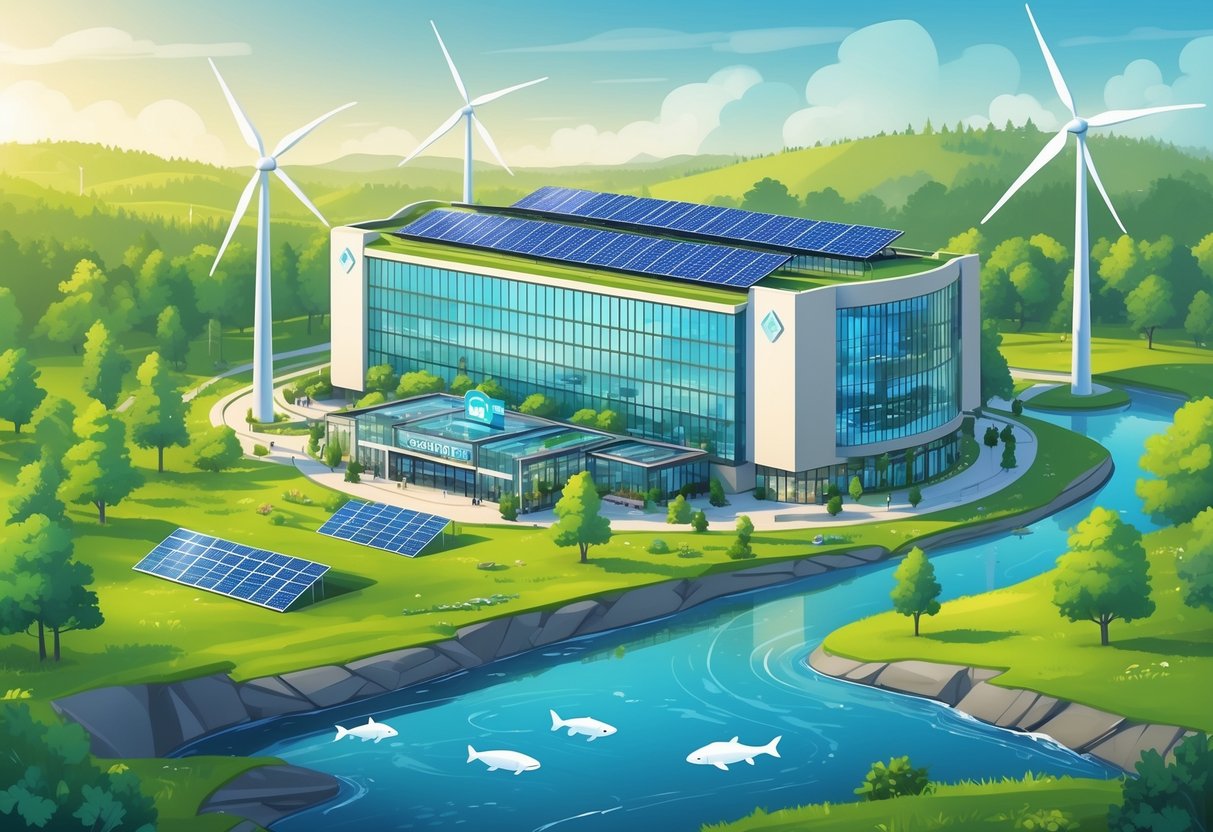
Solar panels and wind turbines provide renewable energy for casino operations. Some casinos generate enough clean energy to power their entire facilities during peak production periods.
Waste Management Practices in Casinos
Casinos generate massive amounts of waste daily from food service, gaming operations, and guest activities. Modern gaming facilities implement comprehensive programs that focus on recycling, reducing food waste, and safely disposing of hazardous materials.
Recycling and Waste Reduction Programs
Casino resorts typically produce thousands of pounds of recyclable materials each day. Paper products, cardboard packaging, glass bottles, and aluminum cans make up the largest portion of recyclable waste streams.
Many properties have established dedicated recycling centers on-site. These facilities sort materials like plastic cups, promotional materials, and discarded playing cards. Some casinos partner with local recycling companies to process materials that cannot be handled internally.
Key recycling initiatives include:
- Cardboard and paper sorting programs
- Glass and aluminum collection systems
- Electronic waste recycling for old slot machines
- Plastic reduction through reusable cup programs
Gaming establishments also focus on waste reduction at the source. They use digital receipts instead of paper tickets. Many properties have switched to biodegradable packaging for takeout food orders.
Staff training programs teach employees proper sorting techniques. Clear labeling on waste bins helps guests and workers separate materials correctly.
Food Waste Strategies
Casino restaurants and buffets generate significant food waste due to large-scale operations and guest service requirements. Properties implement specific programs to reduce waste and redirect usable food.
Donation programs connect casinos with local food banks and shelters. Unopened packaged foods and prepared items that meet safety standards get donated daily. Some casinos donate up to 50,000 pounds of food annually.
Composting systems turn food scraps into useful soil amendments. Kitchen waste, coffee grounds, and produce trimmings get processed through on-site or contracted composting programs.
Portion control helps reduce plate waste. Many buffets use smaller serving dishes and offer half-portions of popular items. Digital tracking systems monitor which foods get wasted most often.
Food waste reduction methods:
- Menu planning based on guest patterns
- Staff training on proper food storage
- Partnership with local farms for organic waste
- Cooking oil recycling programs
Safe Handling of Hazardous Materials
Gaming facilities contain various hazardous materials that require special disposal procedures. These include cleaning chemicals, electronic components, batteries, and fluorescent light bulbs.
Chemical waste from housekeeping and maintenance operations gets stored in designated areas. Licensed waste disposal companies collect and process these materials according to environmental regulations.
Electronic waste from gaming machines contains heavy metals and toxic components. Casinos work with certified e-waste recyclers to properly dismantle and process old equipment. Circuit boards, wiring, and display screens require specialized handling.
Battery disposal programs handle the thousands of batteries used in gaming machines and remote controls. These get collected separately and sent to battery recycling facilities.
Paint, solvents, and maintenance chemicals get tracked through inventory systems. This ensures proper storage and disposal of expired or unused materials. Staff receive training on handling procedures and emergency response protocols.
Energy Efficiency Initiatives in the Gaming Industry
Modern casinos are implementing advanced energy-saving technologies that cut power consumption by up to 40%. These initiatives focus on upgrading lighting systems, integrating renewable power sources, and optimizing heating and cooling operations.
LED Lighting and Smart Controls
Casinos are replacing traditional incandescent and fluorescent lights with LED systems across gaming floors and hotel rooms. These upgrades reduce energy consumption by 60-80% compared to older lighting technology.
Smart lighting controls automatically adjust brightness based on occupancy and time of day. Motion sensors dim lights in empty areas while maintaining full illumination where guests are present.
Gaming machines now feature energy-efficient LED displays that consume 50% less power than previous models. The displays maintain the same visual quality while generating less heat.
Key LED Benefits:
- 75% reduction in lighting energy costs
- 25-year lifespan versus 2-year incandescent bulbs
- Lower maintenance requirements
- Reduced air conditioning load from less heat generation
Many properties report saving $200,000-500,000 annually after completing LED conversions. The investment typically pays for itself within 18-24 months.

Renewable Energy Integration
Solar panel installations are becoming standard at major casino resorts. MGM Resorts operates a 100-megawatt solar facility that powers multiple Las Vegas properties.
Wind energy contracts provide clean electricity during peak demand periods. Several tribal casinos have partnered with wind farms to source 30-50% of their power needs from renewable sources.
Battery storage systems store excess renewable energy for use during evening hours when gaming activity peaks. These systems reduce reliance on traditional grid power when electricity rates are highest.
Renewable Energy Adoption:
- Solar installations range from 5-100 megawatts
- Wind contracts typically span 15-20 years
- Battery systems provide 2-4 hours of backup power
- Combined renewables can meet 40-60% of total energy needs
Geothermal systems heat and cool properties using underground temperature stability. These systems work particularly well in desert casino locations.
HVAC Innovations
Variable air volume systems adjust heating and cooling based on real-time occupancy data. Sensors monitor crowd density on gaming floors and modify airflow accordingly.
High-efficiency chillers and boilers reduce energy consumption by 30-40% compared to standard equipment. These units use advanced compressor technology and heat recovery systems.
Smart thermostats in hotel rooms automatically adjust temperature when guests leave. The systems return to preferred settings before guests return using mobile app data or key card tracking.
HVAC Efficiency Measures:
- Programmable thermostats in all guest rooms
- Energy recovery ventilators that capture waste heat
- Zone-based climate control for different areas
- Regular maintenance schedules to optimize performance
Advanced air filtration systems remove smoke and particles while using less energy than traditional systems. These units maintain air quality standards with 20% lower power consumption.
Building automation systems coordinate all HVAC equipment to eliminate energy waste. The systems learn usage patterns and predict optimal operating schedules.
Water Conservation Efforts in Casino Operations
Casino resorts implement advanced water-saving technologies to reduce consumption and operating costs. These facilities install efficient fixtures and develop recycling systems to minimize their environmental impact.
Low-Flow Fixtures and Appliances
Casino resorts replace standard fixtures with low-flow alternatives throughout their properties. Low-flow toilets use 1.28 gallons per flush compared to older models that consume 3.5 gallons.
Showerheads and faucets in hotel rooms feature flow restrictors that limit water output to 2.0 gallons per minute. These fixtures maintain guest comfort while cutting water usage by 30-40%.
Kitchen operations benefit from water-efficient dishwashers and pre-rinse spray valves. Commercial dishwashers now use as little as 0.7 gallons per rack instead of traditional models that require 1.4 gallons.
Landscaping systems incorporate drip irrigation and smart sprinkler controllers. These systems deliver water directly to plant roots and adjust watering schedules based on weather conditions.
Water Recycling Systems
Casino properties install greywater systems that capture water from sinks, showers, and laundry facilities. This treated water irrigates landscaping and fills decorative fountains.
Cooling tower water gets recycled multiple times before disposal. Advanced treatment systems remove minerals and contaminants, allowing casinos to reuse this water for extended periods.
Rainwater harvesting systems collect precipitation from rooftops and parking structures. Storage tanks hold this water for landscape irrigation during dry periods.
Some resorts operate on-site wastewater treatment plants that process all facility water. These systems produce clean water suitable for non-potable uses like cooling systems and grounds maintenance.
Environmental Impact of Casino Resorts and Integrated Complexes
Large casino resorts require significant land clearing and construction that disrupts natural ecosystems. These developments often alter wildlife habitats and reduce local biodiversity through habitat loss and fragmentation.
Landscape and Habitat Disturbance
Casino resort construction typically requires clearing hundreds of acres of natural land. This process removes existing vegetation and alters soil composition permanently.
The development of integrated resorts often involves major grading and excavation. Construction teams must level uneven terrain to create foundations for massive buildings. This activity destroys root systems and changes natural water drainage patterns.
Soil compaction occurs when heavy machinery operates on construction sites. Compacted soil prevents water absorption and makes it difficult for native plants to regrow later.
Many casino complexes include large parking areas that cover additional acres with asphalt or concrete. These surfaces create heat islands that raise local temperatures. They also prevent rainwater from soaking into the ground naturally.
Resort landscaping typically replaces native plants with non-native species. Ornamental gardens and golf courses require different soil conditions than what existed before construction. These changes can affect nearby ecosystems for decades.
Biodiversity Considerations
Wildlife populations face displacement when casino resorts develop in their habitats. Small mammals, birds, and reptiles must find new homes when construction begins.
Fragmentation occurs when large developments split natural areas into smaller pieces. Animals that need large territories struggle to find enough space. Migration patterns get disrupted when roads and buildings block traditional pathways.
Lighting pollution from casino resorts affects nocturnal animals. Bright exterior lights confuse birds during migration seasons. Some species change their feeding and breeding behaviors because of constant artificial lighting.
Water features like fountains and pools can attract wildlife inappropriately. Birds and small animals may become dependent on these artificial water sources. This dependency can harm their natural survival instincts.
Noise pollution from construction and daily operations drives away sound-sensitive species. Many animals rely on hearing for hunting and communication. Constant background noise from resorts can reduce their success rates.
Sustainability Policies and Green Certifications in the Gaming Sector
Gaming companies now implement formal environmental policies and seek third-party certifications to validate their sustainability efforts. These frameworks help casinos reduce their environmental impact while meeting growing consumer expectations for responsible business practices.
Corporate Social Responsibility Commitments
Major casino operators have developed comprehensive ESG frameworks that address environmental impact alongside social and governance concerns. These policies typically focus on energy reduction, water conservation, and waste management targets.
Key CSR Focus Areas:
- Energy efficiency improvements
- Water usage reduction programs
- Sustainable waste management
- Community investment initiatives
- Employee sustainability training
Many gaming companies now publish annual sustainability reports. These documents track progress on specific environmental goals. They also outline future commitments for carbon reduction and resource conservation.
The gaming industry invests hundreds of millions of dollars annually in community programs and environmental initiatives. This investment demonstrates long-term commitment to sustainable operations beyond regulatory requirements.
Third-Party Environmental Audits
Green Gaming certification has become increasingly popular among casino operators seeking to validate their environmental efforts. These certifications require independent audits of energy use, waste management, and water consumption practices.
Common Certification Programs:
- LEED certification for buildings
- ISO 14001 environmental management
- Green Gaming specific certifications
- Energy Star ratings for facilities
Third-party auditors evaluate everything from HVAC systems to lighting efficiency. They also assess recycling programs and sustainable procurement policies. Regular re-certification ensures ongoing compliance with environmental standards.
These certifications help casinos differentiate themselves in a competitive market. They also provide measurable benchmarks for continuous improvement in sustainability practices.
Community Engagement and Public Awareness
Casinos are working with local communities to share information about environmental protection and build partnerships for green projects. These efforts help educate people about sustainability while creating stronger ties between gaming businesses and their neighborhoods.
Environmental Education Initiatives
Many casino operators now create programs to teach guests and community members about environmental issues. These programs focus on simple actions people can take to help protect the environment.
MGM Resorts runs educational displays in their lobbies that show guests how the casino saves energy and water. The displays use interactive screens to explain solar power systems and recycling programs.
Several casinos host community workshops about:
- Energy conservation at home
- Water saving techniques
- Proper recycling methods
- Green transportation options
Caesars Entertainment partners with local schools to create environmental science programs. Students learn about renewable energy by visiting the casino’s solar installations and waste management facilities.
Some casinos distribute educational materials at community events. These materials explain how gaming businesses are reducing their carbon footprint and what residents can do in their own homes.
Local Partnerships for Sustainability
Gaming companies form partnerships with local organizations to work on environmental projects together. These partnerships help casinos make a bigger positive impact in their communities.
Environmental cleanup projects bring casino employees and community volunteers together. They work on beach cleanups, park restoration, and river protection efforts.
Many casinos partner with local environmental groups to support conservation programs. These partnerships provide funding and volunteers for projects like:
- Native plant restoration
- Wildlife habitat protection
- Community garden development
- Renewable energy installations
Tribal casinos often work with environmental science programs at nearby universities. Students conduct research on sustainable practices while casinos get expert advice on green technologies.
Local government partnerships help casinos participate in city-wide sustainability goals. They work together on recycling programs, energy efficiency standards, and green building requirements.
Some casinos fund environmental education at community centers and libraries. These programs teach residents about climate change and sustainable living practices.
Technological Innovations Driving Sustainability
Modern technology enables casinos to monitor energy usage in real-time and make data-driven decisions that reduce their environmental footprint. Smart sensors and analytics platforms help gaming facilities optimize everything from lighting to HVAC systems.
Smart Metering and IoT Solutions
Smart meters track electricity, water, and gas usage throughout casino properties minute by minute. These devices send data to central systems that identify waste and inefficiency patterns.
IoT sensors monitor room occupancy, temperature, and lighting levels automatically. When areas are empty, systems reduce power to lights, air conditioning, and electronic equipment without staff intervention.
Gaming floors use motion-activated lighting that dims when foot traffic decreases. Slot machines now feature energy-saving modes that reduce power consumption during idle periods by up to 40%.
Water management systems detect leaks immediately through pressure sensors and flow monitors. Smart irrigation controls adjust watering schedules based on weather data and soil moisture readings.
Kitchen equipment connects to networks that optimize cooking times and temperatures. Refrigeration units adjust cooling based on door opening frequency and ambient temperature changes.
Data-Driven Environmental Management
Casino operators use software platforms that collect environmental data from hundreds of sources across their properties. These systems create detailed reports showing energy usage by department, time of day, and seasonal patterns.
Machine learning algorithms predict peak energy demand periods. This allows facilities to shift non-essential operations to off-peak hours when electricity costs less and grid demand is lower.
Digital dashboards display real-time carbon footprint metrics to facility managers. Staff receive alerts when systems exceed preset efficiency thresholds or when maintenance issues affect performance.
Predictive analytics identify equipment that needs maintenance before it fails. This prevents energy waste from malfunctioning HVAC units, lighting systems, and gaming equipment.
Environmental management software integrates with utility company programs. Casinos can automatically reduce power consumption during grid stress events and earn rebates for participating in demand response programs.
Future Trends and Challenges in Sustainable Gaming
The casino industry faces major changes ahead. New technology will help reduce energy use in the coming years.
Energy-Efficient Technologies are becoming more common. Casinos will likely use smart lighting systems and better air conditioning. Solar panels and wind energy will power more gaming floors.
Game developers are creating sustainability-themed games. These games teach players about protecting the environment while they play.
Recycling programs for gaming machines will expand. Old slot machines and electronic equipment will get reused instead of thrown away.
The International Gaming Sustainability Alliance launched new rules in February 2025. They now check casinos on 37 different environmental areas. More certification programs will follow.
Major challenges still exist for the industry:
- High costs of green technology upgrades
- Profit pressure versus environmental spending
- Old habits that are hard to change
- Proving real impact instead of just marketing claims
Online casinos have an advantage. They use less energy than physical buildings with bright lights and air conditioning.
Future casino designs will focus on natural lighting. They will use less water and create less waste.
The industry must balance making money with protecting the environment. This challenge will shape how casinos operate in the next decade.
New laws may require casinos to meet environmental standards. Early adopters will have competitive advantages over slower competitors.
Frequently Asked Questions
Casinos are adopting various green technologies and practices to address their environmental impact. These changes include energy-efficient equipment, water conservation systems, waste reduction programs, and renewable energy sources.
What measures are casinos taking to reduce their carbon footprint?
Modern casinos are installing energy-efficient gaming machines that use significantly less power than older models. These new machines can reduce electricity consumption by up to 40% compared to traditional slot machines.
Many casino operators are upgrading their lighting systems to LED technology. This switch cuts energy usage for lighting by approximately 75% while providing better illumination for gaming floors.
Smart automation systems now control heating and cooling in casino buildings. These systems adjust temperatures based on occupancy levels and time of day to minimize energy waste.
How is water usage managed in casinos to promote environmental sustainability?
Casinos are installing low-flow fixtures in restrooms and employee areas to reduce water consumption. These fixtures can cut water usage by 20-30% without affecting user experience.
Many properties now use recycled water for landscaping and cooling systems. This practice helps reduce demand on local water supplies, especially in desert locations like Las Vegas.
Advanced water monitoring systems track usage throughout casino properties. These systems can quickly identify leaks or inefficient equipment that wastes water.
In what ways do casinos contribute to energy consumption, and how can it be minimized?
Casino floors require constant lighting and air conditioning to maintain comfortable gaming environments. These systems typically account for 60-70% of a casino’s total energy use.
Gaming machines and electronic equipment run continuously, creating additional power demands. Restaurants, hotels, and entertainment venues within casino complexes further increase energy needs.
Casinos can minimize consumption by using programmable thermostats and zone-based climate control. Installing motion sensors for lighting in less-used areas also reduces unnecessary power usage.
What initiatives are being implemented to tackle waste management in the casino industry?
Many casinos now have comprehensive recycling programs for paper, plastic, glass, and electronic waste. Some properties recycle up to 80% of their solid waste through these programs.
Food waste reduction programs help casinos donate unused prepared food to local charities. Composting programs turn organic waste into useful soil amendments for landscaping.
Digital receipts and paperless transactions reduce paper waste at gaming machines and cashier windows. Some casinos have eliminated physical tickets entirely in favor of digital systems.
How do sustainable practices in the gaming industry benefit local communities?
Green casino operations reduce strain on local power grids and water systems. This helps communities avoid costly infrastructure upgrades and resource shortages.
Casinos that use local renewable energy sources create jobs in the clean energy sector. These partnerships often involve hiring local workers for solar panel installation and maintenance.
Waste reduction and recycling programs decrease the amount of materials sent to local landfills. This extends landfill life and reduces environmental impacts on surrounding communities.
What is the role of renewable energy sources in powering casinos?
Solar panels are becoming common on casino rooftops and parking structures. Large casino resorts can install systems that generate 10-20% of their electricity needs from solar power.
Some casinos purchase renewable energy credits or sign contracts with wind farms. These agreements help fund clean energy projects while offsetting casino power consumption.
Battery storage systems allow casinos to store renewable energy for use during peak demand periods. This technology helps balance energy costs and reduces reliance on traditional power sources.